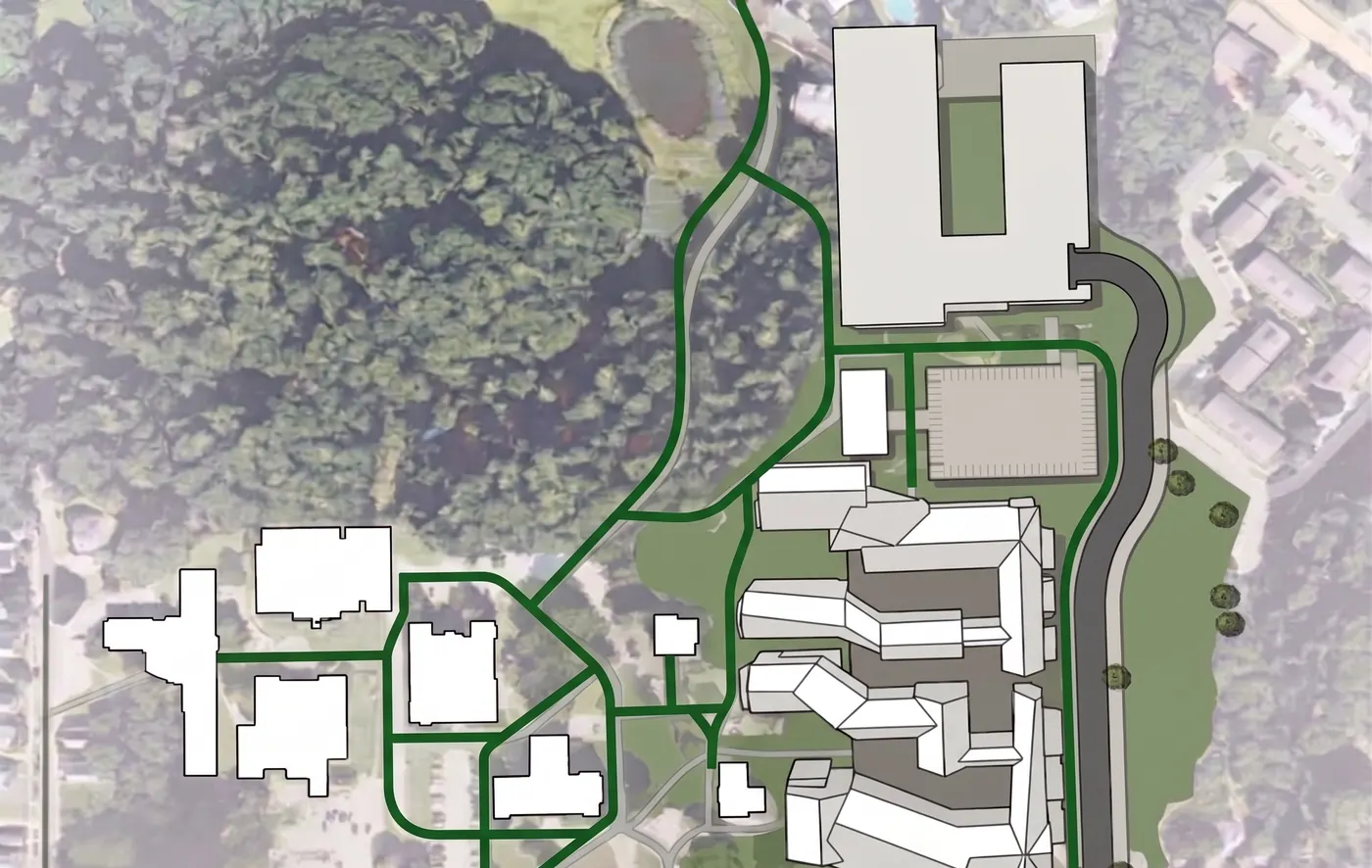
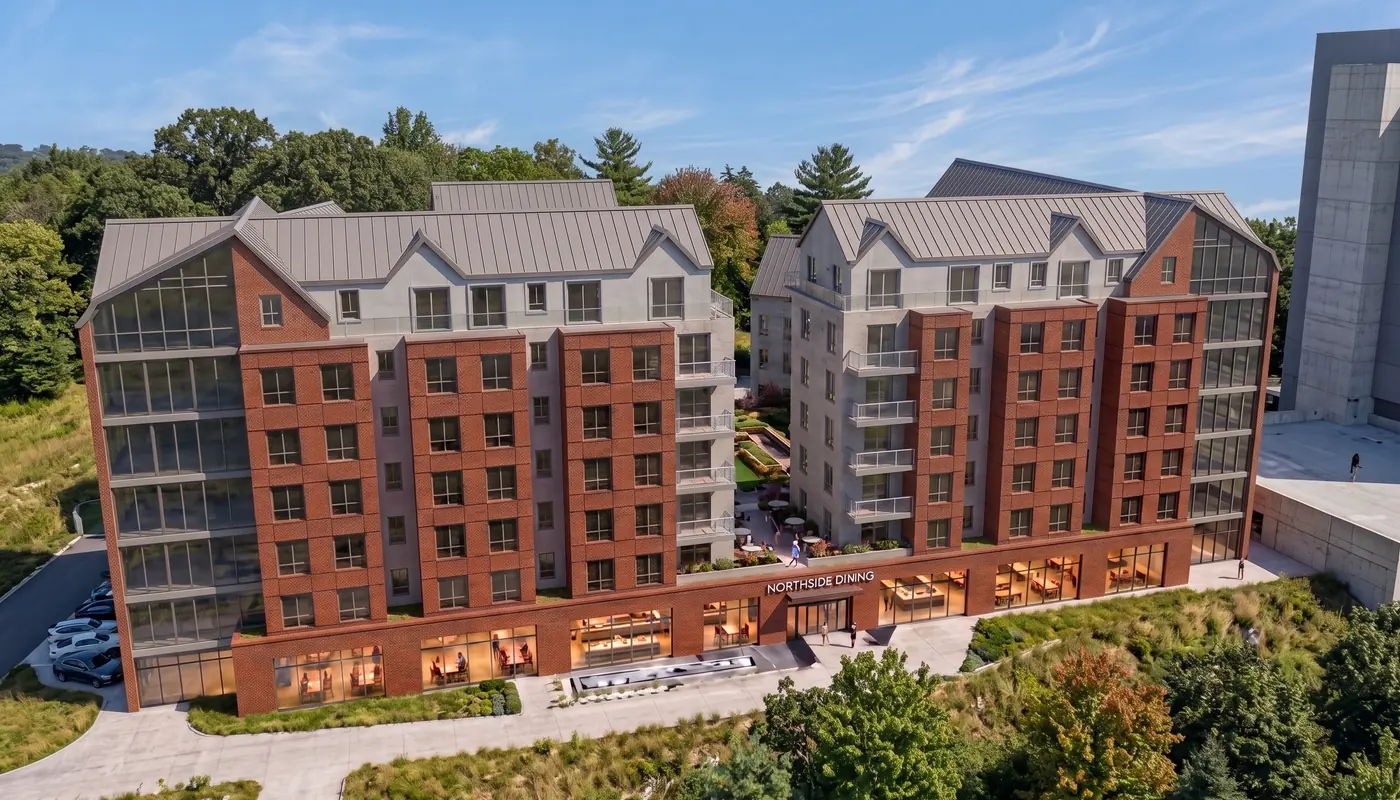
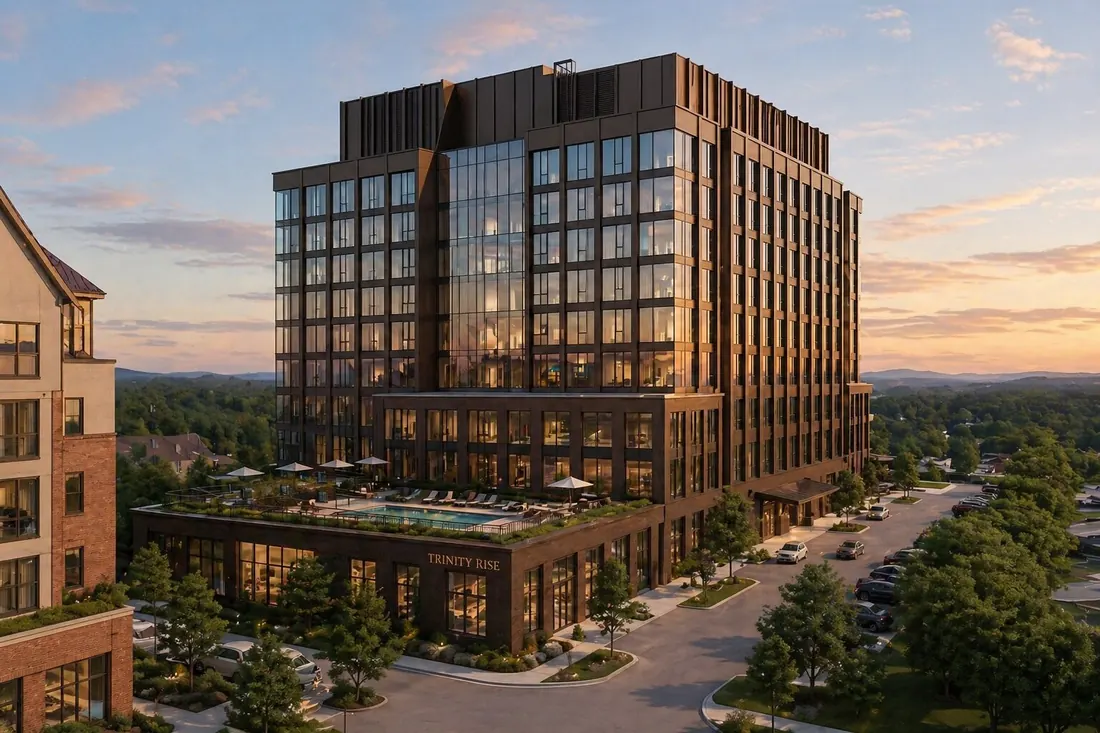
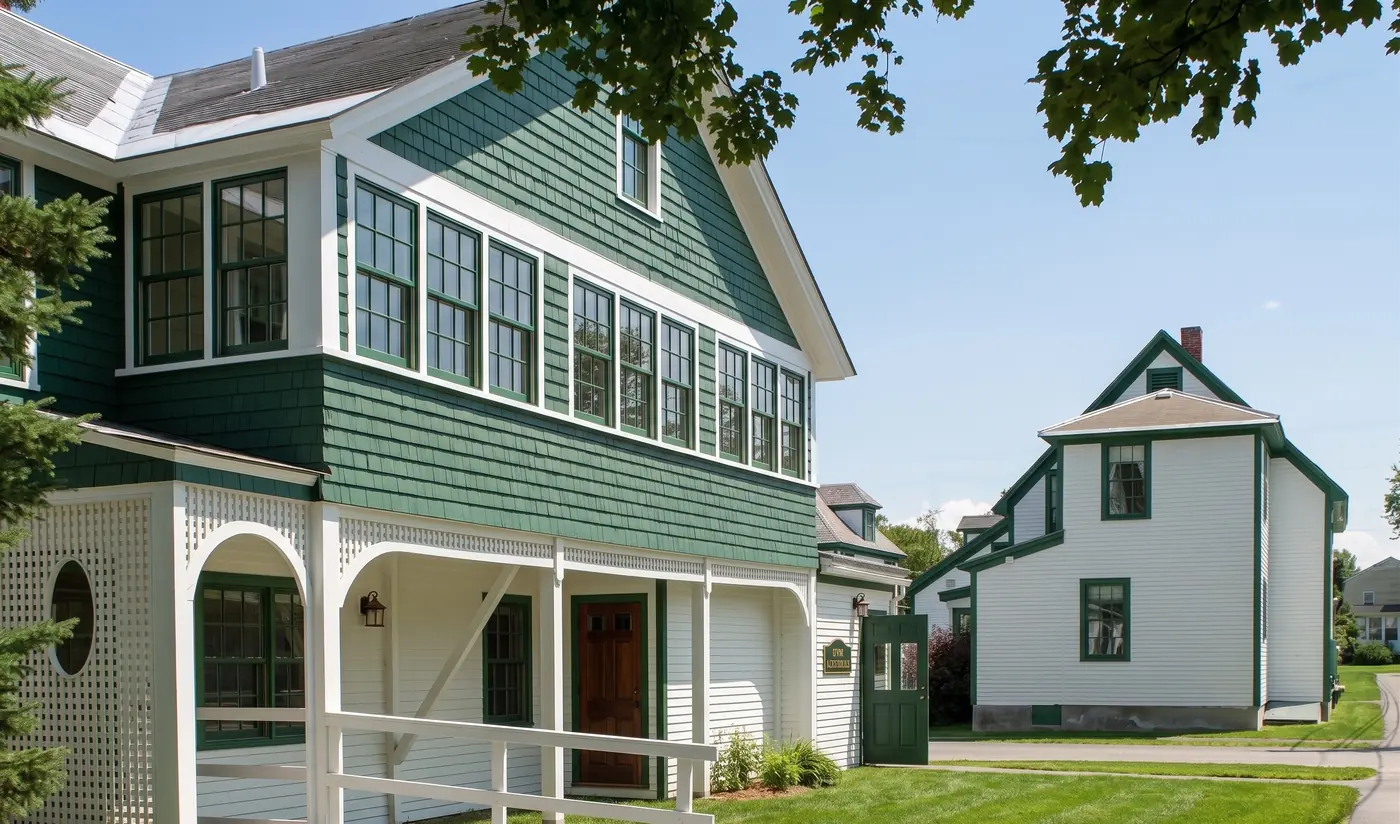
Trinity Peaks, Trinity Rise, Trinity Way, Northside Dining, and the Cottages are pieces of one housing-relief argument.
Housing relief first. Then public benefit. Then feasibility.
Trinity Redistricting is an independent concept and feasibility study for turning UVM’s Trinity District into a more complete residential campus. It is not an official University of Vermont or City of Burlington plan.
- Creator
- Ivan Minier
- Context
- Independent project
- Role
- Author — research, planning, writing, and the public site
- Year
- 2026
- Status
- Independent student vision
- Platforms
- Web
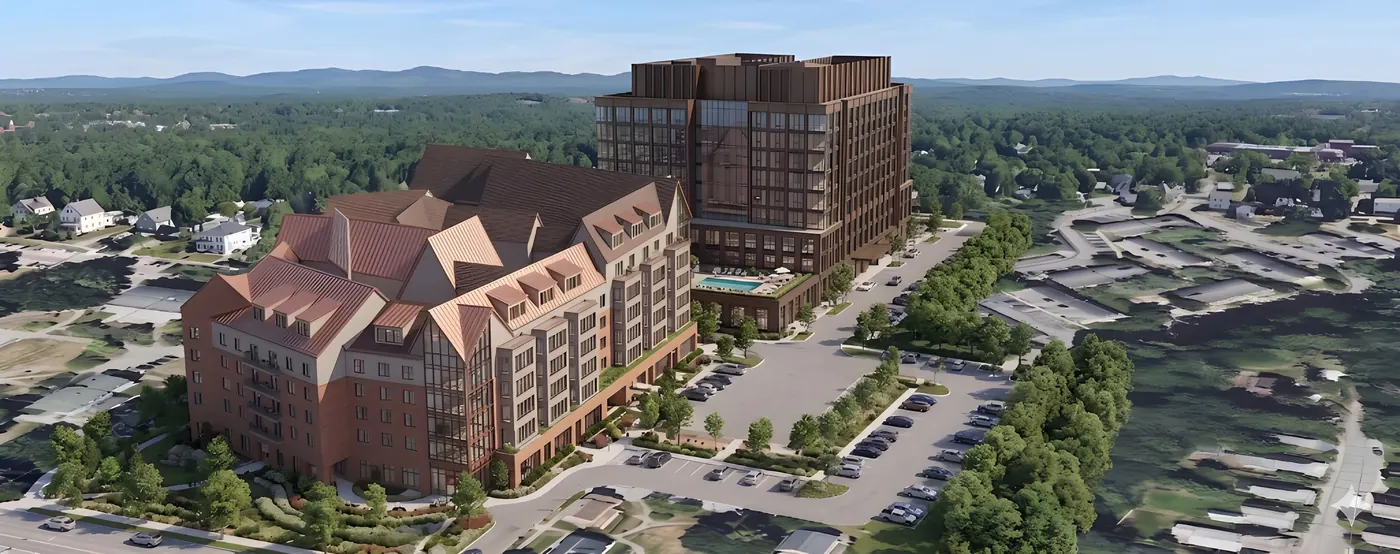
Created by Ivan Minier.
Independent student-led concept. Not an official University of Vermont or City of Burlington project.
Figures are concept-stage targets for feasibility review, not official budgets or construction documents.
1,850–2,100preferred concept beds
1,400–1,650estimated net-new beds after replacement
The problem
UVM needs more housing. Burlington already feels the pressure when students leave campus. Trinity is a large university-owned site with aging capacity, but the future of the district is easy to treat as either a rendering or a political argument.
The approach
The project treats Trinity as a planning problem: replacement beds, net-new capacity, zoning, cost assumptions, preservation, phasing, resident continuity, and public benefit. The ask is a formal feasibility review, not adoption of a finished design.
What the vision contains
Capital assumptions, zoning and policy research, implementation phasing, and resident-protection thinking sit alongside the visual work.
The site publishes briefs, accessible companions, and a project-specific assistant for asking the proposal questions.
Why this shape
A student proposal is only useful if it can survive review. The work is meant to make Trinity discussable as a housing-relief opportunity, not to pretend a campus has already been approved.